
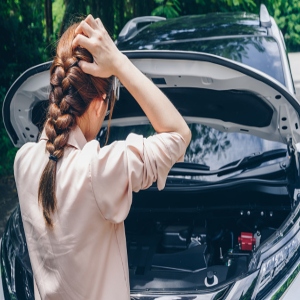
Kentucky Repossession Basics
In Kentucky, a car loan is governed by UCC Article 9, which is found in KRS Chapter 355. After you default, a lender can repossess the vehicle without a court order. It just cannot breach the peace to do it. That means no threats and no breaking into a locked garage.
You also have rights. You can redeem the vehicle by paying what you owe before the lender disposes of it. Any later sale of the car must be commercially reasonable. These rights have deadlines, so timing is everything.
How Bankruptcy’s Automatic Stay Stops a Repo and Can Get a Car Back
Filing bankruptcy triggers the automatic stay under Section 362. It stops a repossession that is in progress. If the car was already taken but not yet sold, filing can often force its return. That return is called turnover.
Turnover is not always automatic. The lender may give the car back once it sees your plan. If it does not, we file a motion or complaint for turnover and ask the court to order it. You may also need to make adequate protection payments to cover the car’s value while the case gets going. Those payments protect the lender from loss as the car ages. Acting before the sale is critical, so call the day the car is taken.
Keeping the Car in Chapter 13
Chapter 13 lets you keep a financed car even after you fall behind. The plan spreads your past-due payments over three to five years. You cure the default through the plan instead of all at once. As long as you keep up with the plan and insurance, the car stays with you.
Lowering the Loan: The Cramdown and the 910-Day Rule
Chapter 13 has a tool that can shrink a car loan. It is called a cramdown. It can reduce the loan to the car’s fair market value and lower the interest rate to a court-approved rate.
There is a limit known as the 910-day rule. If you bought the car within 910 days before filing, which is about two and a half years, a purchase-money loan generally must be paid in full. If the loan is older than 910 days, it can often be crammed down to the car’s value. The age of the loan decides whether the cramdown is available.
Here is how a cramdown can help. Say you owe $18,000 on a car worth $11,000, and you bought it four years ago. Because the loan is older than 910 days, the plan may let you pay the $11,000 value instead of the full $18,000. The interest rate can drop to a court-approved rate too. That can mean a much lower payment over the life of the plan.
Reaffirm or Redeem in Chapter 7
If Chapter 7 is your best fit, you have two main ways to keep a financed car. You can reaffirm the loan, which means you agree to stay on the original contract. Or you can redeem the car by paying its current value in one lump sum. Redemption can be a good deal when the car is worth far less than the balance. Both choices have trade-offs, and Nick explains them before you sign anything.
Chapter 7 vs. Chapter 13 for a Financed Car
Chapter 7 does not allow a cramdown. To keep a financed car in Chapter 7, you generally must stay current or reaffirm or redeem the loan. Chapter 13 is the chapter that lets you cure arrears over time and use the cramdown. Nick reviews your loan, the car’s value, and your budget to pick the better fit.
When Surrendering the Car Is the Smart Move
Keeping the car is not always worth it. If the loan is far underwater, surrender may be the better call. In bankruptcy you can surrender the vehicle and discharge any deficiency balance. That means no surprise bill for the gap after the lender sells it. The discharge of that deficiency is one of the biggest reasons people pick bankruptcy over a private repo settlement. We will tell you honestly when surrender beats keeping the car.
Why Work With Nick Thompson
Nick Thompson has practiced law since 1988 and has helped Kentucky drivers and families since 1991. He holds U.S. Tax Court License #51 and prepares every petition with you himself. The first consultation is free.
We serve Jefferson, Oldham, Bullitt, Spencer, Nelson, and Meade counties, plus walk-in cases from Bowling Green and Owensboro. Our office is at 800 Stone Creek Parkway, Suite 6, in Louisville.
FAQ
Can I get my car back after it has been repossessed in Louisville?
Often yes, if you act before the lender sells it. Filing bankruptcy triggers the automatic stay, and we can seek turnover of the vehicle. You may need to make adequate protection payments. Speed matters, so call the day it is taken.
Does Chapter 13 lower my car payment?
It can, through a cramdown to the car’s value, if your loan is older than 910 days. A purchase-money loan taken within 910 days before filing generally must be paid in full. The loan’s age decides it.
How fast does filing stop a repossession?
The automatic stay takes effect the moment your case is filed. That stops a repossession in progress right away. If the car was already taken but not sold, filing can support a turnover request.
Do you help drivers in Oldham, Bullitt, or Spencer County?
Yes. We serve Jefferson, Oldham, Bullitt, Spencer, Nelson, and Meade counties. We also take walk-in cases from Bowling Green and Owensboro. Call 502-625-0905 to talk about your vehicle.
Call to Action
Facing a car repossession? Call Nick Thompson at 502-625-0905 for a free consultation in Louisville. We will explain how to stop the repo and protect your ride to work.